Catenary wires
Catenary wires refer to the overhead cables used to support electrified railway or tram systems. They deliver electrical power to trains, trams, or trolleybuses through a pantograph (the contact device on top of the vehicle). Catenary wires are used in overhead line equipment (OLE) or overhead contact systems (OCS).
📐 Structure
A typical catenary system includes:
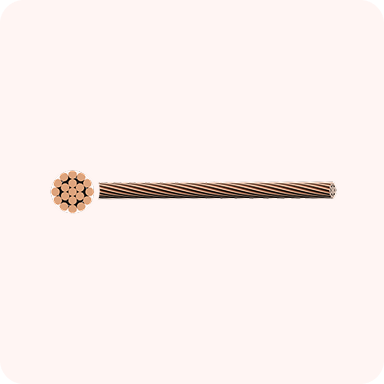
- Catenary wire (messenger wire): The top wire that carries mechanical tension.
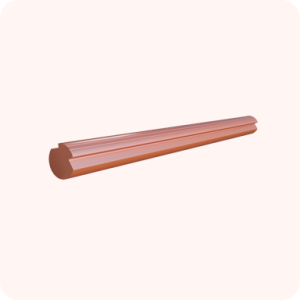
- Contact wire: The lower wire, which the pantograph slides against to draw current.
- Droppers: Vertical wires that connect the catenary wire to the contact wire and maintain spacing.
⚙️ Design Considerations
- The catenary wire forms a catenary curve because it only carries mechanical tension.
- The contact wire is tensioned horizontally to remain as flat as possible for consistent electrical contact.
- Systems may be simple (just contact wire under tension) or compound (with catenary + droppers + other support for high-speed rail).
🚄 Applications
- Railways: High-speed trains, commuter lines
- Trams & light rail