Dropper
1.Electrical Engineering / Power Distribution
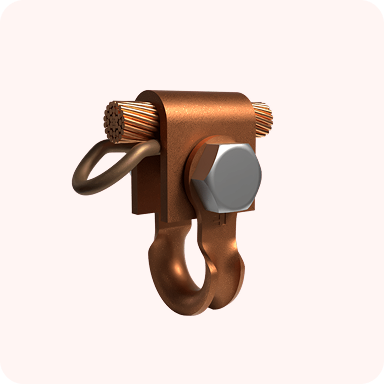
Dropper wires are used in overhead electrification systems, especially for railways. They're vertical wires that connect the main overhead contact wire to the catenary wire (which supports the contact wire). They help keep the contact wire at a constant height and tension.
2. Model Railroading
In model railroading, dropper wires are feeder wires soldered to the rails and connected to the main power bus underneath the layout. They ensure consistent electrical connectivity.
In overhead electrification systems (OHE), particularly for railways and trams, a dropper wire is a short vertical wire or rod that connects the catenary wire to the contact wire (also called the trolley or messenger wire).
🔧 Function of Dropper Wires:
- Support the contact wire: They suspend the contact wire from the catenary wire above it.
- Maintain height and alignment: Help keep the contact wire at a consistent height and tension across spans, which is essential for smooth pantograph contact.
- Distribute tension evenly: Prevent sagging or inconsistent positioning of the contact wire.
🧱 Typical OHE Structure:
Catenary wire (Messenger wire)
─────────────────────────────
| | | | ← Dropper wires
| | | |
Contact wire (Trolley wire)
─────────────────────────────
↑
Pantograph
⚙️ Key Characteristics:
Feature Details
Material Copper or copper-alloy (for conductivity and strength)
Spacing Typically every 8 to 10 meters along the span
Non-load bearing Dropper wires don't carry electrical current—they mechanically support the contact wire
Installation Installed in tension and precisely measured for correct height
📌 Why They Matter:
Without dropper wires, the contact wire would sag unevenly between poles or masts, making it unreliable or unsafe for trains collecting power via pantographs.